Counseling for Anxiety in orange County
Anxiety can affect your thoughts, emotions, physical wellbeing, and ability to manage everyday responsibilities. Persistent worry, fear, or tension may make it harder to focus, sleep, make decisions, or feel present in relationships. Counseling offers a supportive place to understand what you are experiencing and explore ways to make anxiety more manageable.
Get Help Today
Understanding Your Anxiety Patterns
Anxiety can show up differently for each person. You may notice recurring worries, physical tension, difficulty relaxing, avoidance of certain situations, or a tendency to expect the worst. These experiences can vary over time and may be influenced by stress, relationships, health, or life changes.
Counseling can help you explore when anxiety tends to arise and how it affects your choices and routines. Understanding these patterns can make it easier to recognize what you need and consider responses that feel more helpful.
Personalized Counseling for Anxiety
Your counseling is shaped around your experiences, preferences, and goals. You may want to address a specific source of worry, feel more comfortable in situations you have been avoiding, manage stress, or understand how anxiety is affecting your relationships or work.
You and your counselor can identify goals together and adjust them as your needs change. Sessions provide space to reflect on challenges, notice progress, and develop strategies that fit your circumstances rather than following a one-size-fits-all plan.
Developing Skills to Manage Anxiety
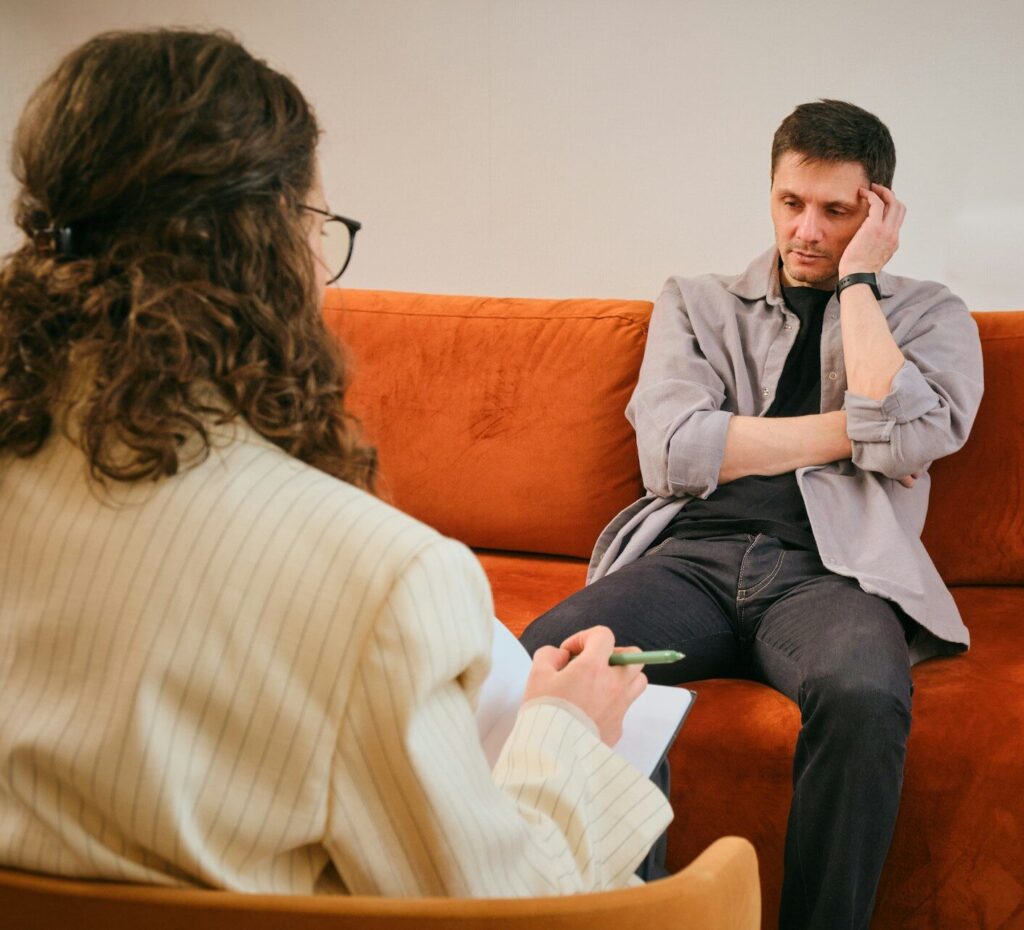
Counseling can help you recognize early signs of anxiety and practise ways to respond when worry or tension increases. Depending on your needs, sessions may include grounding techniques, relaxation strategies, or approaches for examining anxious thoughts and considering alternative perspectives.
Cognitive behavioral therapy is one evidence-informed approach that may be used in anxiety counseling. Your counselor can discuss which methods may be appropriate for your concerns and help you practise them gradually in everyday situations.

Addressing Anxiety in Daily Life and Relationships
Anxiety can affect sleep, concentration, decision-making, communication, and participation in activities that matter to you. Counseling can help you explore how these challenges fit together and identify manageable changes that support your day-to-day wellbeing.
If anxiety is affecting relationships, you can work on expressing concerns, setting boundaries, and navigating difficult conversations. Counseling can also help you consider how to approach situations you have been avoiding at a pace that feels appropriate.
Ongoing Support as Your Needs Change
Anxiety may shift as circumstances change, and the support that feels useful can change too. Ongoing counseling provides an opportunity to revisit your goals, strengthen coping skills, and address new challenges as they arise.
Your counselor can work collaboratively with you to review what is helping and refine strategies over time. The focus remains on your priorities and on building a greater sense of confidence in handling difficult moments.
Take the Next Step Toward Anxiety Counseling
If anxiety is affecting your wellbeing or making daily life harder, counseling can help you explore what is happening and consider practical next steps. Contact us to learn more about our services and discuss whether counseling may be a good fit for you.