Counseling for Panic Disorder in orange County
Panic disorder can involve recurring panic attacks and ongoing worry about when another may happen. These experiences can affect confidence, routines, work, relationships, and the freedom to take part in everyday activities. Counseling offers a supportive place to understand what you are experiencing and work toward feeling more able to manage it.
Get Help Today
Understanding Panic Attacks and the Panic Cycle
A panic attack can bring a sudden wave of fear along with physical sensations such as a racing heart, shortness of breath, dizziness, or trembling. After an episode, worry about having another attack may lead you to monitor your body closely or avoid situations that feel uncertain.
Counseling can help you explore how these experiences affect you and identify patterns that may keep fear going. Understanding the connection between physical sensations, thoughts, and responses can be a useful step toward approaching panic with greater confidence.
Personalized Counseling for Panic Disorder
Your counseling is shaped around your experiences, circumstances, and goals. You may want to reduce worry about future attacks, feel more comfortable in situations you have been avoiding, or learn how to respond when panic symptoms arise.
You and your counselor can agree on manageable goals and revisit them over time. Sessions provide a place to discuss progress and setbacks without judgment, while adjusting strategies to fit your needs.
Developing Skills to Respond to Panic
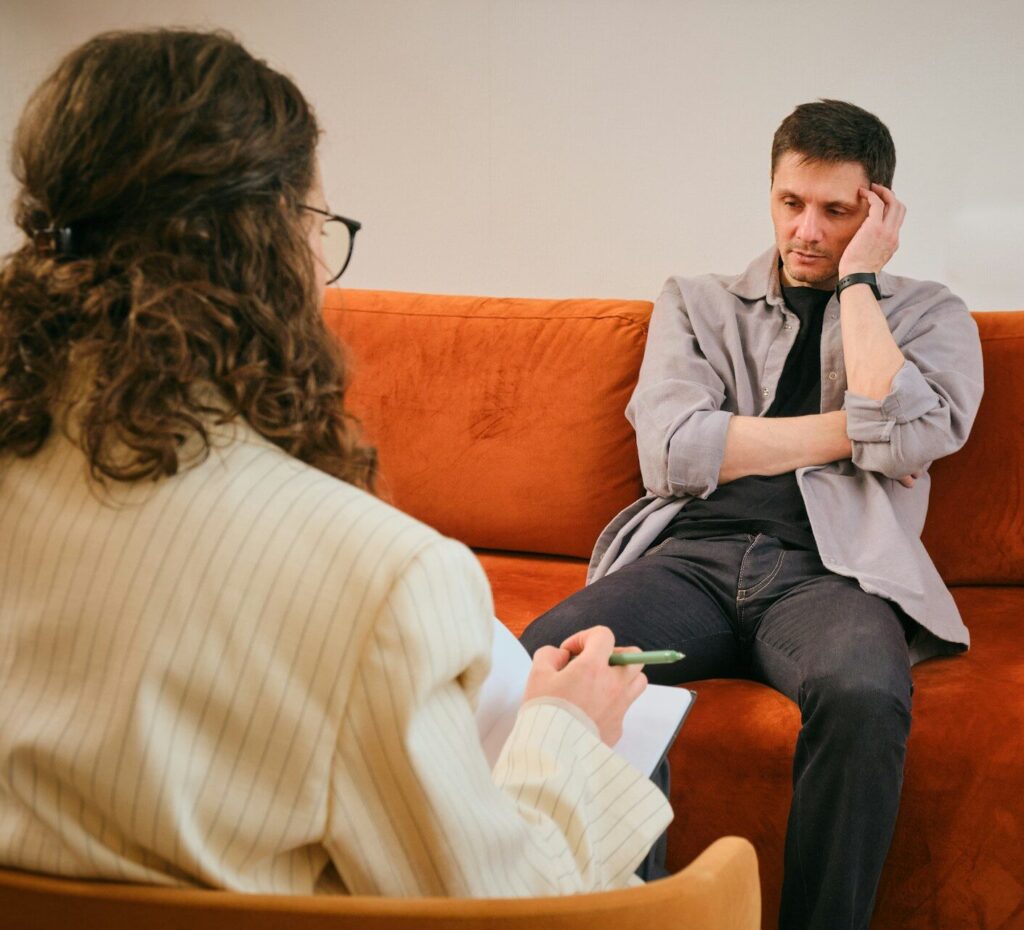
Counseling can help you recognize what happens when panic begins and practise ways to respond. Depending on your needs, this may include grounding techniques, relaxation strategies, or approaches for working with anxious thoughts and physical sensations.
Cognitive behavioral therapy is an evidence-informed approach commonly used for panic disorder. Where appropriate, counseling may also include gradual exposure to feared sensations or situations, planned collaboratively and at a pace that feels manageable.

Reducing Avoidance and Rebuilding Confidence
Avoiding places, activities, or sensations associated with panic can bring short-term relief, but it may also make daily life feel more restricted. Counseling can help you understand what you have been avoiding and consider gradual, supported ways to re-engage with activities that matter to you.
Your counselor can work with you to set a pace that feels appropriate and review each step along the way. The focus is on building confidence through practice, not forcing you into situations before you feel ready.
Ongoing Support for Panic Disorder
Panic symptoms and the situations that trigger worry can change over time. Ongoing counseling offers a consistent place to strengthen coping skills, address new concerns, and build on what you have learned.
If physical symptoms are new, changing, or concerning, it may also be important to discuss them with a qualified medical professional. Counseling can complement medical care when needed, with any coordination arranged appropriately and with your consent.
Take the Next Step Toward Panic Disorder Counseling
If panic attacks or fear of future episodes are affecting your life, counseling can help you explore what is happening and consider practical next steps. Contact us to learn more about counseling for panic disorder and discuss whether our services may be a good fit for you.