
Panic Disorder Therapy in Orange County
Panic attacks can feel frightening and may make everyday situations seem unpredictable. You might worry about when another episode could happen, avoid places where you have felt panic before, or find yourself changing routines to feel safer. Therapy provides a supportive place to talk about what you’re experiencing and explore ways to respond. At Orange County Counseling and Therapy, sessions can be shaped around your concerns and goals. You don’t need to know exactly where to begin; you can start by describing what has felt difficult.
Get Help Today
Understanding Panic Disorder and Panic Attacks
A panic attack can involve a sudden wave of intense fear or discomfort, sometimes accompanied by a racing heart, shortness of breath, trembling, dizziness, sweating, or a feeling of losing control. Experiences vary, and panic-like symptoms can have different causes. A mental health professional can discuss your symptoms and how they affect you; new, severe, or concerning physical symptoms may also need prompt medical attention. If you have panic disorder, you may worry about future attacks or make changes to avoid situations you associate with them. Therapy can help you explore these experiences without judgment.
How Panic Can Affect Daily Routines
Worry about another panic attack can gradually affect where you go, how you travel, or whether you take part in work, school, social plans, and other activities. You might seek reassurance, stay close to places where you feel safe, or avoid situations that seem difficult to leave. These responses are understandable attempts to manage fear, but they can also make daily life feel more restricted. In therapy, you can talk about the situations and concerns that matter most to you and consider what kind of support may help you feel more able to make choices.

What to Expect in Therapy
Therapy begins with understanding your concerns, experiences, and goals. Your therapist may ask when panic symptoms occur, what you notice before or during an episode, and how worry affects your daily life. Together, you can discuss a treatment plan that fits your needs and questions. Depending on your therapist’s approach, sessions may include learning about anxiety, noticing patterns in thoughts and physical sensations, or practicing strategies for responding to distress. You can ask questions and share what feels comfortable; therapy should be collaborative and paced with your needs in mind.
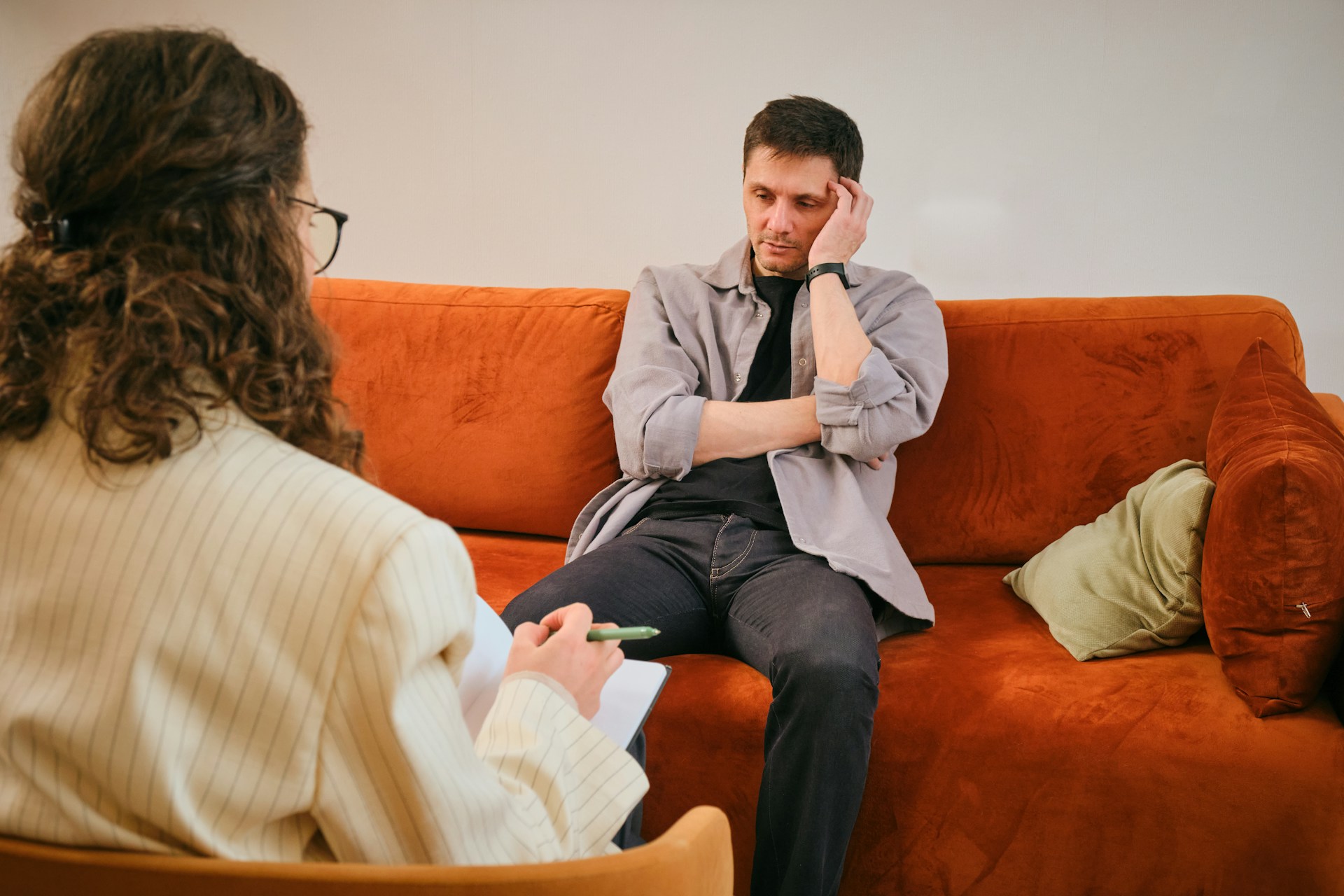
Building Confidence Through Gradual Practice
If panic has led you to avoid certain situations, your therapist may discuss gradual steps for approaching them as part of your treatment plan. You and your therapist can decide together what feels manageable and how to prepare. The aim is not to force you into situations or promise that anxiety will disappear, but to help you develop more options for responding when fear arises. Progress may involve understanding your reactions, feeling more prepared, or taking part in an activity that matters to you, even if some uncertainty remains.
Care Shaped Around Your Goals
Your experience of panic is personal, so therapy should take your circumstances, preferences, and goals into account. You may want to feel more comfortable leaving home, return to activities you have been avoiding, or spend less time worrying about another attack. Your goals can change as you learn what is helpful, and difficult days do not mean you have failed. You and your therapist can review your progress, talk through setbacks, and adjust the focus of sessions over time. You do not have to manage everything alone to begin seeking support.
Take the Next Step Toward Panic Disorder Therapy
If panic or worry about future attacks is affecting your well-being or daily life, contact Orange County Counseling and Therapy to discuss what you’re experiencing. You can ask questions, share what you hope to work on, and explore whether therapy may be a helpful next step.