
Trauma Therapy in orange County
Trauma can affect how you feel, relate to others, and experience everyday situations, sometimes long after an event has passed. Trauma therapy offers a supportive space to understand these effects and explore what may help. You do not need to know exactly where to begin or be ready to discuss every detail of what happened.
Get Help Today
Understanding How Trauma Affects You
People respond to traumatic experiences in different ways. You may feel on edge, avoid certain reminders, experience intrusive memories, or notice changes in sleep, mood, concentration, or trust. These responses can make daily life feel harder, but they do not define you or mean that you are doing anything wrong.
Building Safety and Choice in Therapy
Feeling respected and having a sense of control are important parts of trauma-informed care. Your therapist can work with you to discuss boundaries, identify what helps you feel more settled, and agree on a pace for sessions. You can ask to pause, change direction, or focus on what feels manageable.
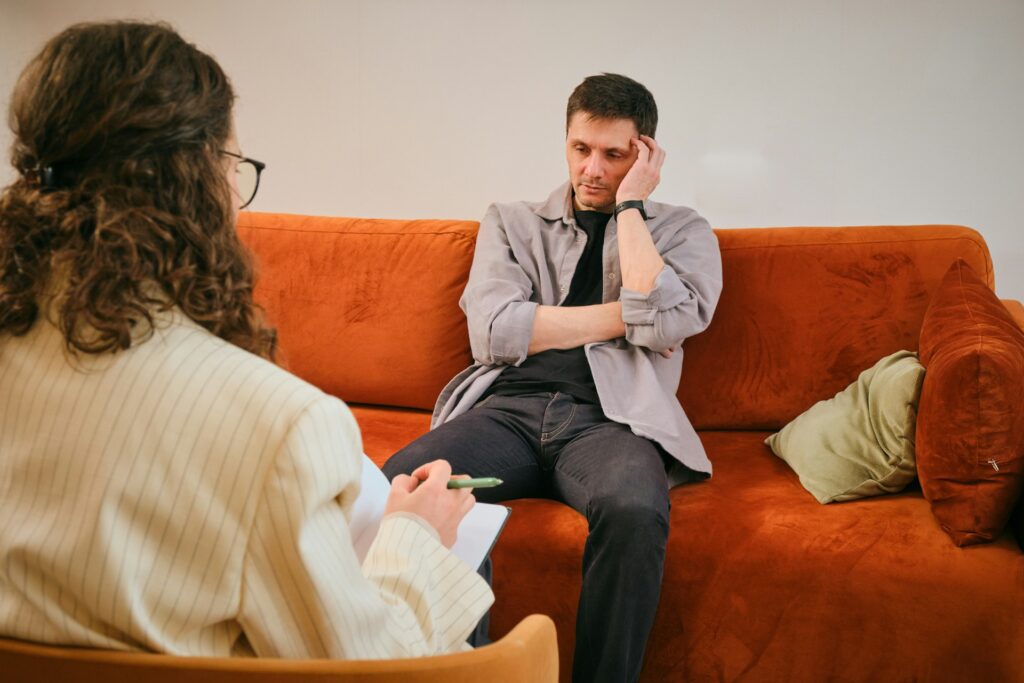
Exploring Your Experience at Your Own Pace
Trauma therapy does not require you to describe everything that happened before you are ready. You and your therapist can decide together what to explore and when, taking your comfort and goals into account. The work may begin with understanding how past experiences affect the present, rather than revisiting painful memories in detail.

Developing Support for Difficult Moments
Therapy can help you notice what happens when distress or reminders arise and practice ways to respond. Depending on your needs, this may include grounding strategies, recognizing emotional and physical cues, or identifying sources of support. These tools are developed collaboratively and adapted to what feels useful for you.
Rebuilding Connection and Everyday Confidence
Trauma may affect relationships, routines, and your sense of connection with yourself and the world around you. Therapy can support you in identifying what you want to reclaim or strengthen, while respecting that progress can take time. Together, you can explore steps toward greater choice, connection, and confidence in daily life.
Begin Trauma Therapy
You do not have to work through the effects of trauma alone. Reach out to learn more about trauma therapy and discuss what you are looking for in support. You can ask about the therapist’s approach and consider whether it feels right for your needs, boundaries, and pace.